Kingston Lacey – Dorset

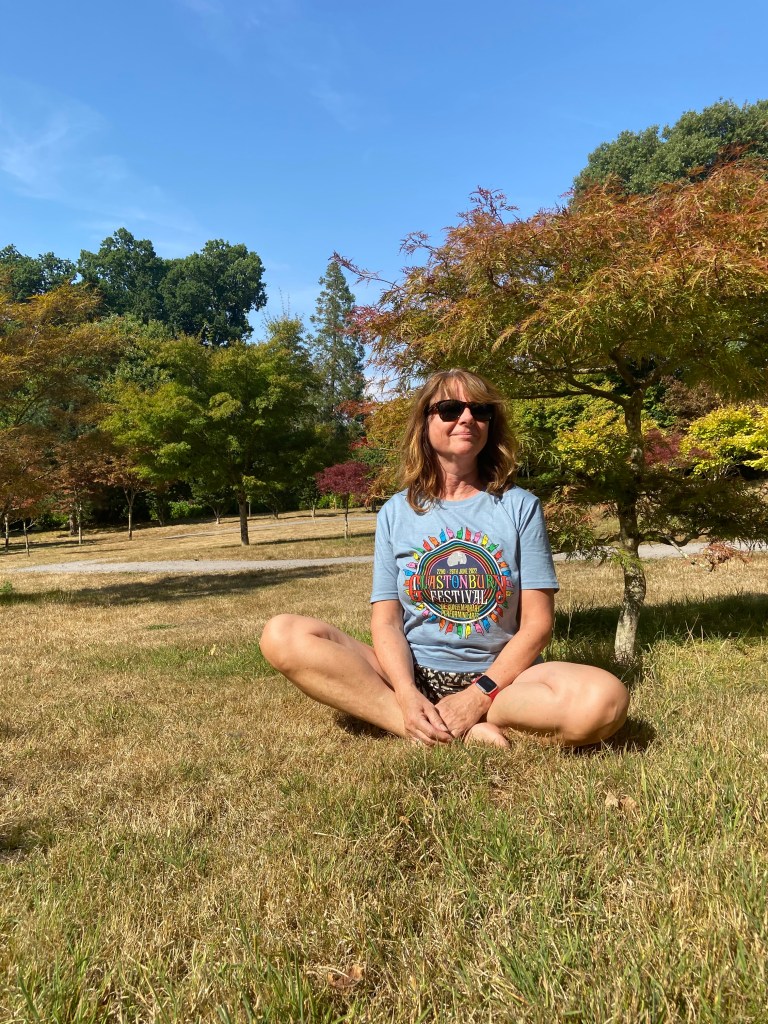
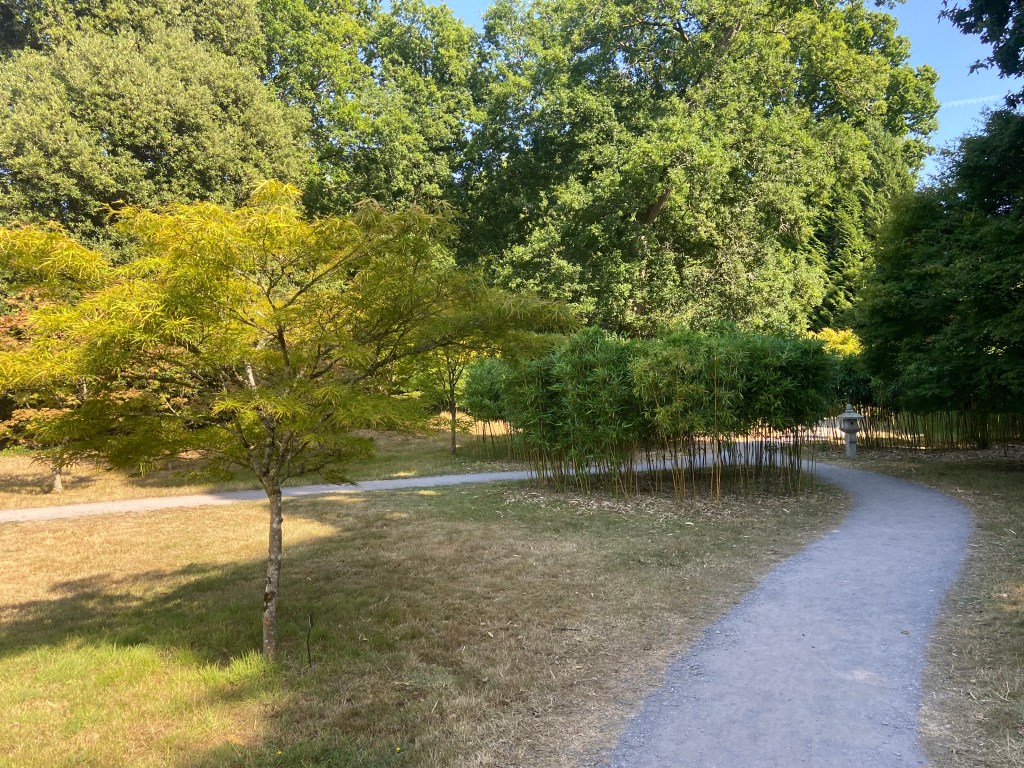
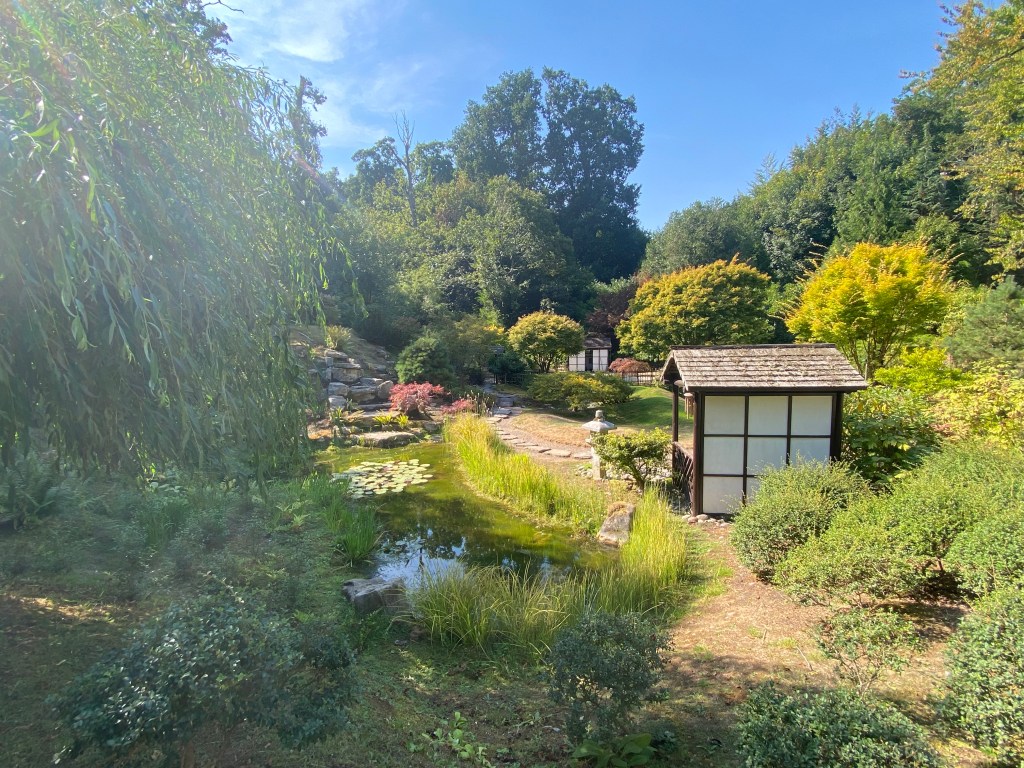
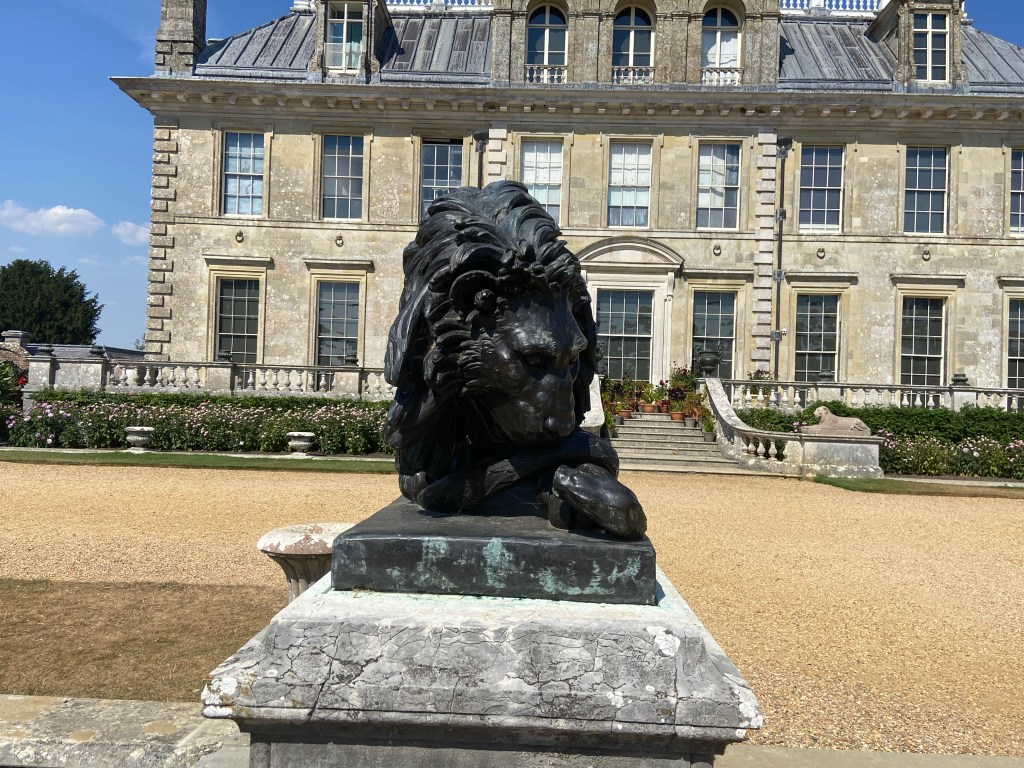
Kingston Lacey was bequeathed to the National Trust by the Bankes family. The highlight for me was the Japanese garden which was mostly shaded, and very tranquil. Populated entirely with Japanese native plants, it was full of texture and shape. I had a go at finding my inner Zen amongst the acers and maples I found in the more formal garden. Beyond the Japanese garden and across a country road was the kitchen garden. I always make a beeline for kitchen gardens, as I am really interested in growing vegetables. The kitchen garden is relatively small, and was suffering a little with the very hot weather we had experienced in the previous couple of months, but nonetheless, I was still quite interested to walk around. We then visited the café where I had a very pleasant cheese scone and cheese and pickle, washed down with quite a fiery gingerbeer, and Neil had a frittata. We took it in turns to go into the house, whilst the other remained with the dogs in the shade of the outside café garden.
Montacute House, Yeovil, Somerset

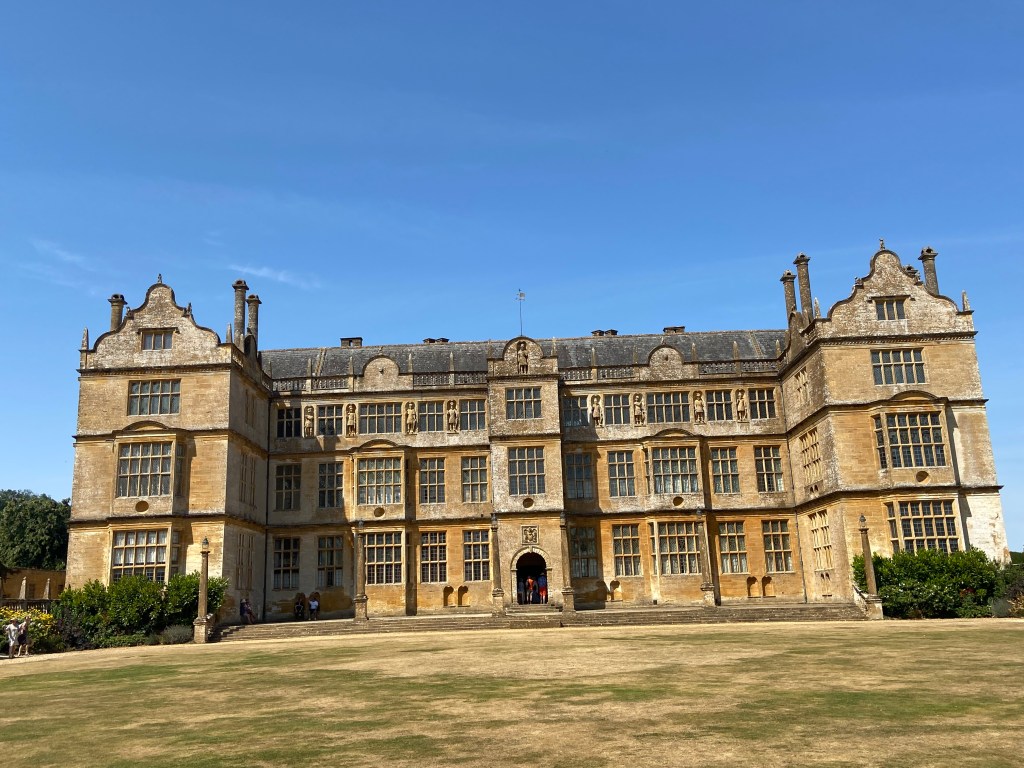
Montacute House, Yeovil, Somerset.  National Trust property

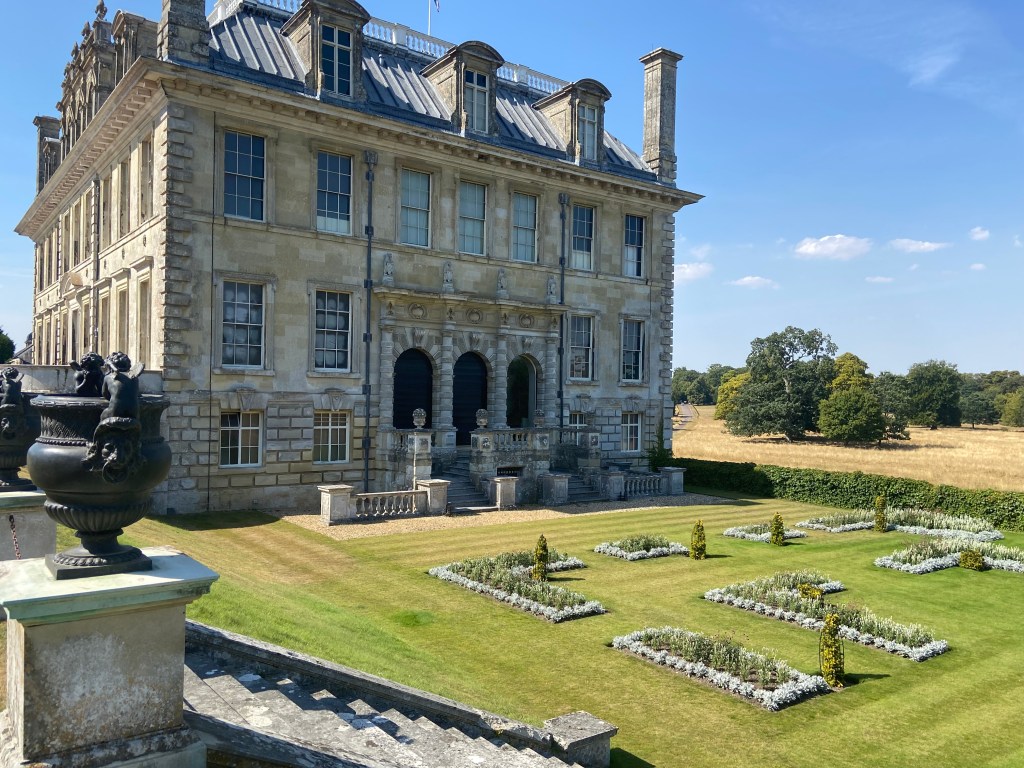
Montacute House can be found in the picturesque village of Montacute, Yeovil, Somerset. I found it surprising to find such a large and imposing building within such a quaint little village. We explored the grounds first of all and enjoyed the parkland walk which took approximately 30 minutes. There were other longer walks, which are detailed on the visitor’s brochure we were

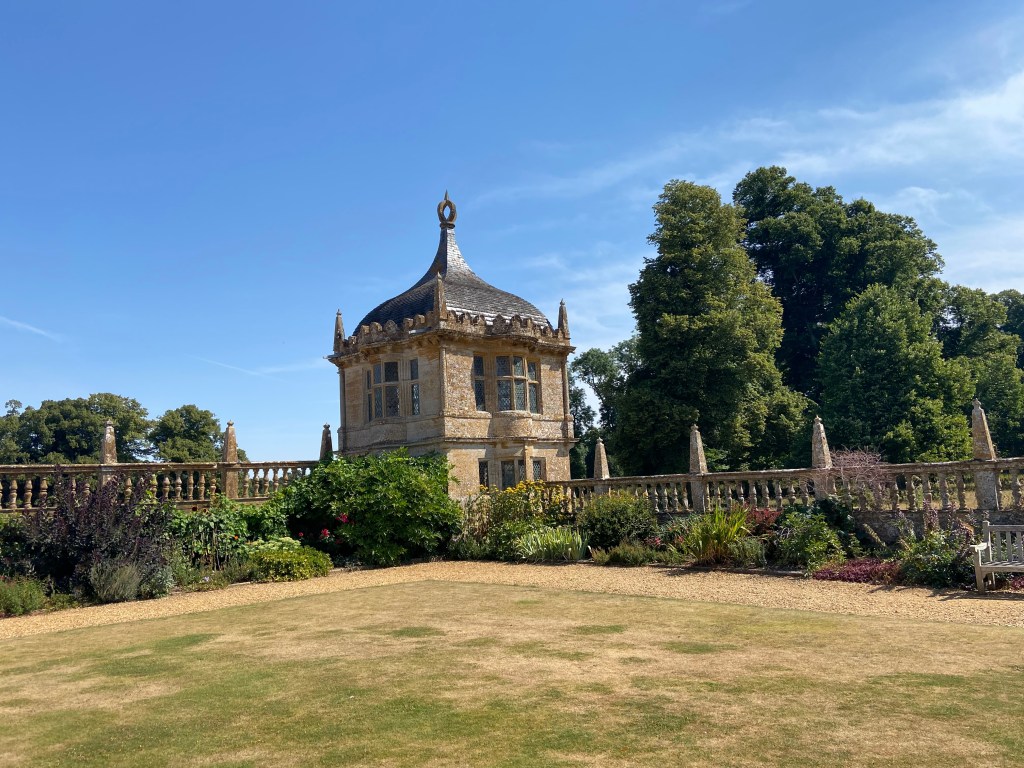
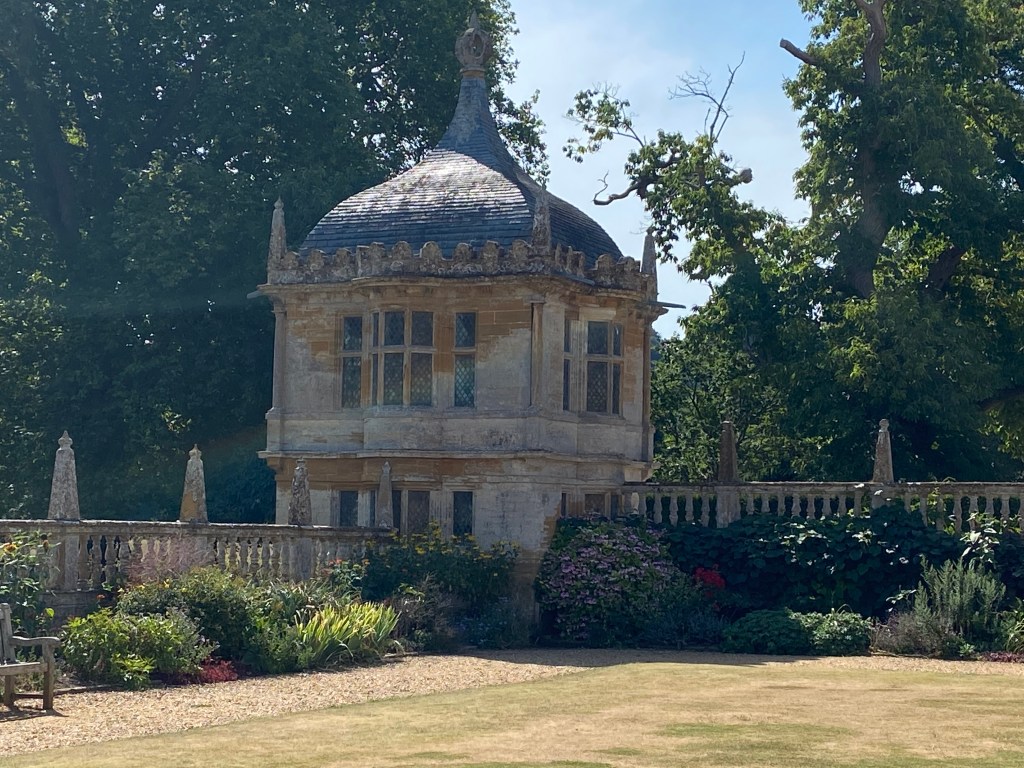
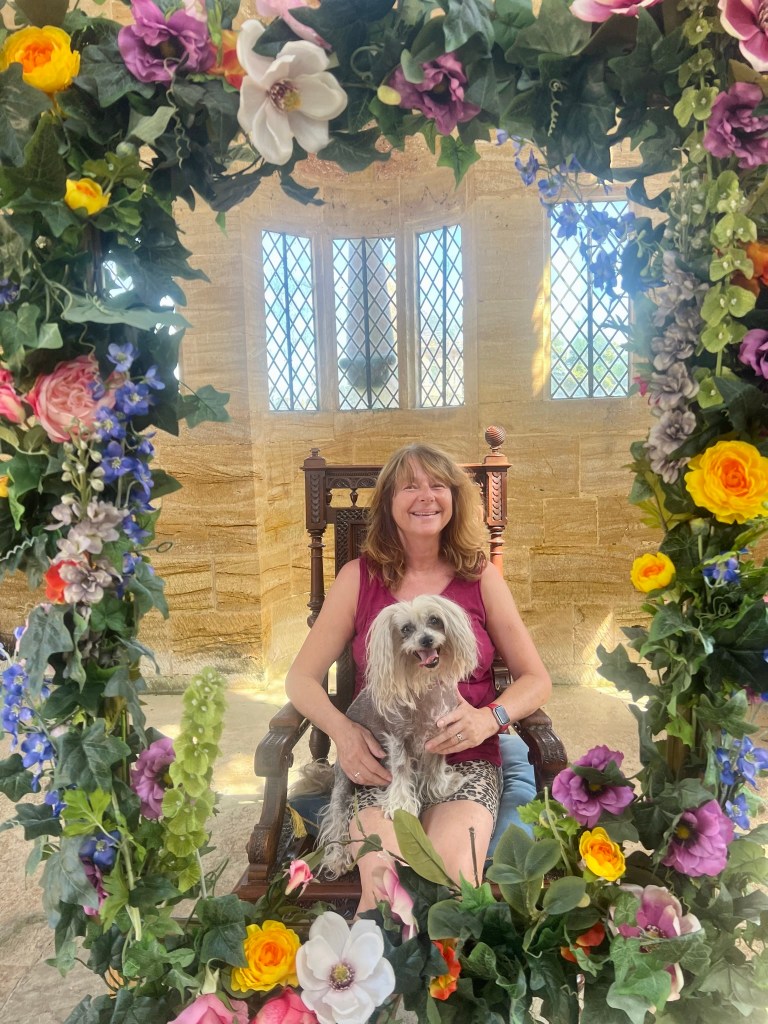
given, but as it was a hot day we opted for the shorter walk. There are formal gardens to either side of the house, and at the far edges of the formal garden in front of the house (East Court) we also came across a type of folly. (Two in total at opposite edges of the garden). We went inside one folly where was very cool inside, and I suspect it had once been used for housing cattle, as the door was a split design. There was a seat in the middle of the folly with a flower arch in front of the seat, affording quite a nice photo opportunity. As we had the dogs with us, we then took it in turns to explore the house. I was welcomed inside, given a brochure, and informed that Montacute House was home to a rare 15th century tapestry – the oldest owned by the National Trust.

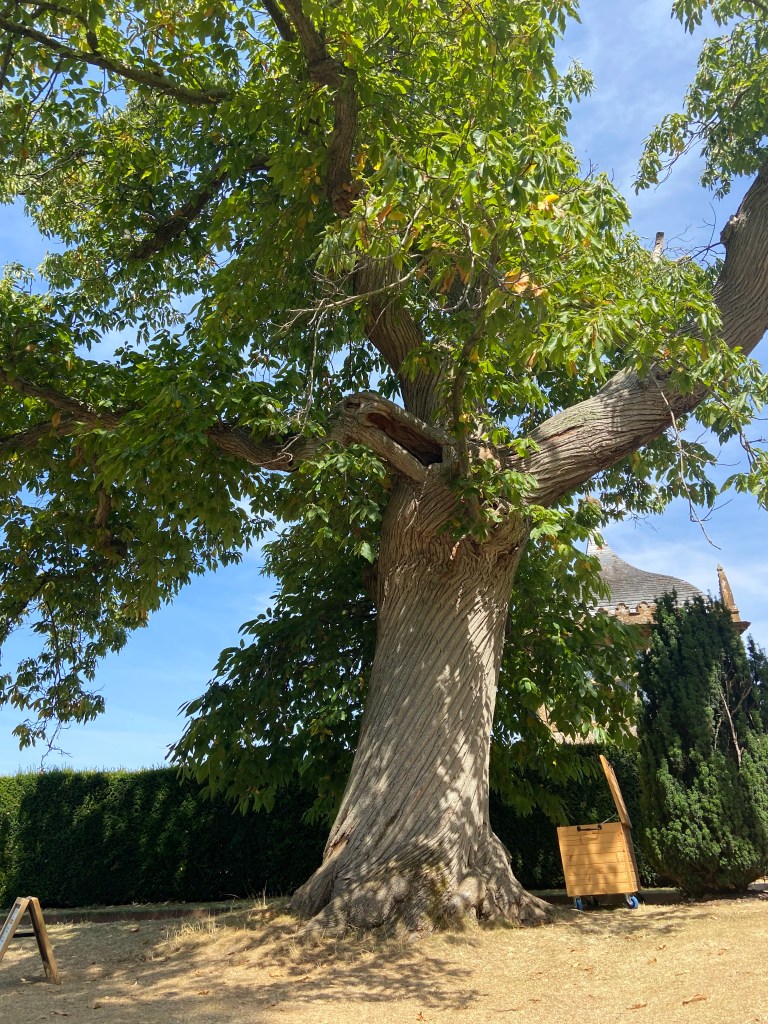
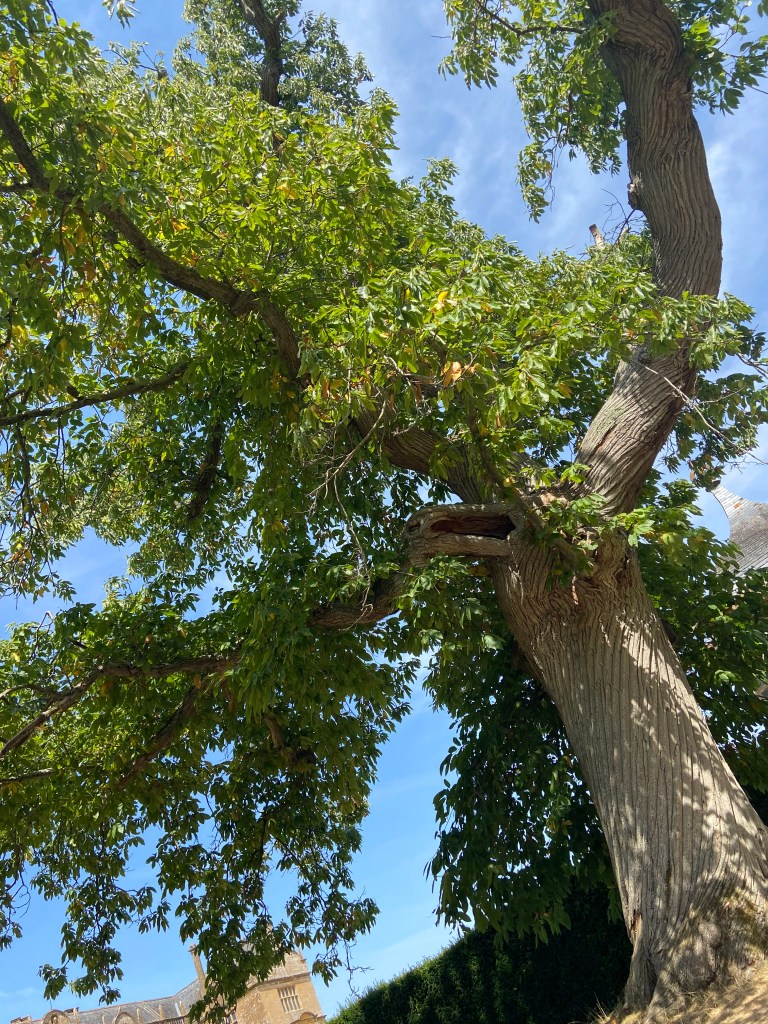
Sweet chestnut with twisted bark

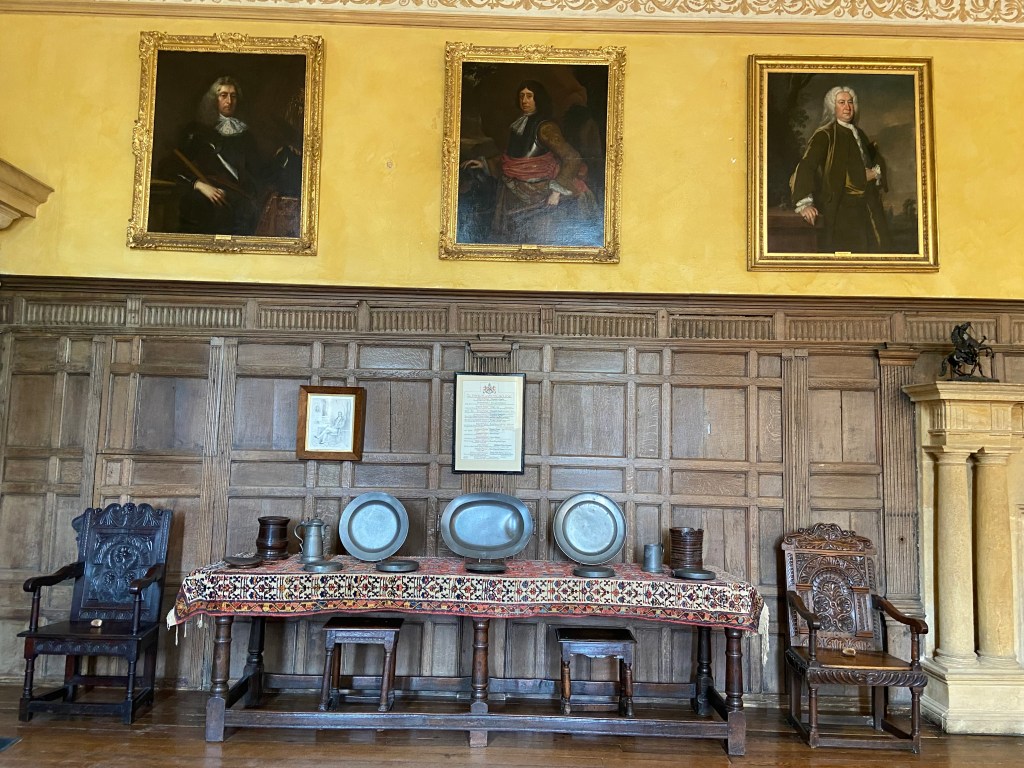
It has recently been restored (1,300 hours of cleaning and conservation) and shows a knight in armour parading his beautifully decorated horse. I think about half the rooms were open for viewing and displayed an array of portraits, furniture and artefacts.

Corfe Castle – Dorset

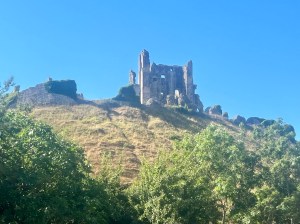
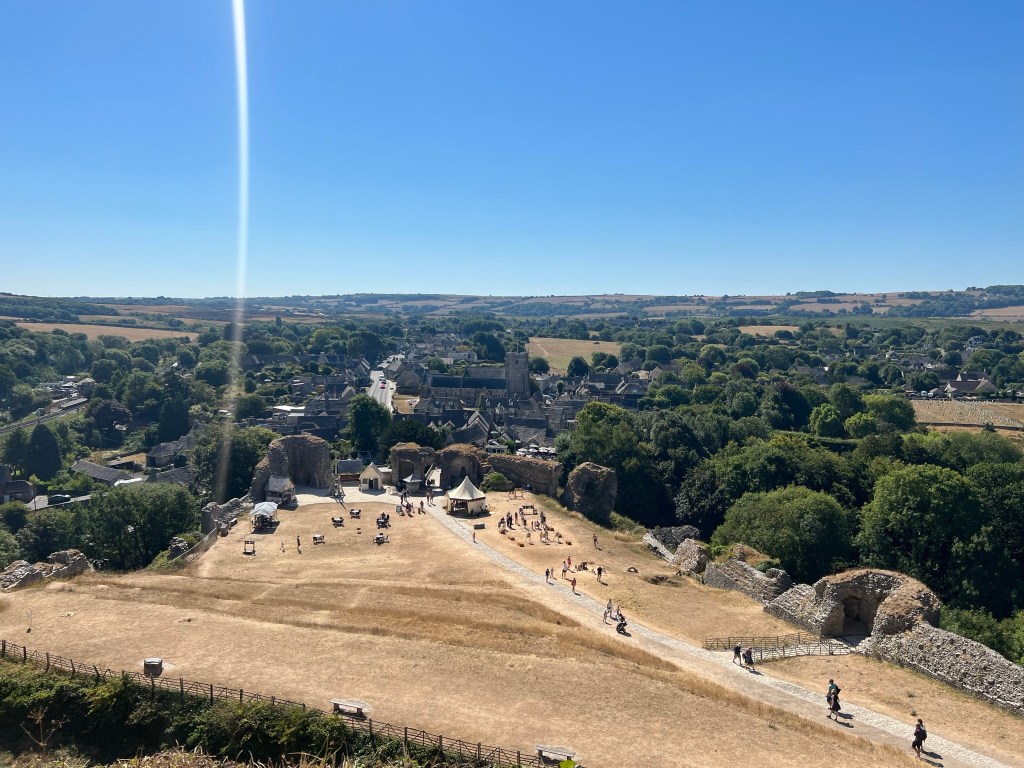
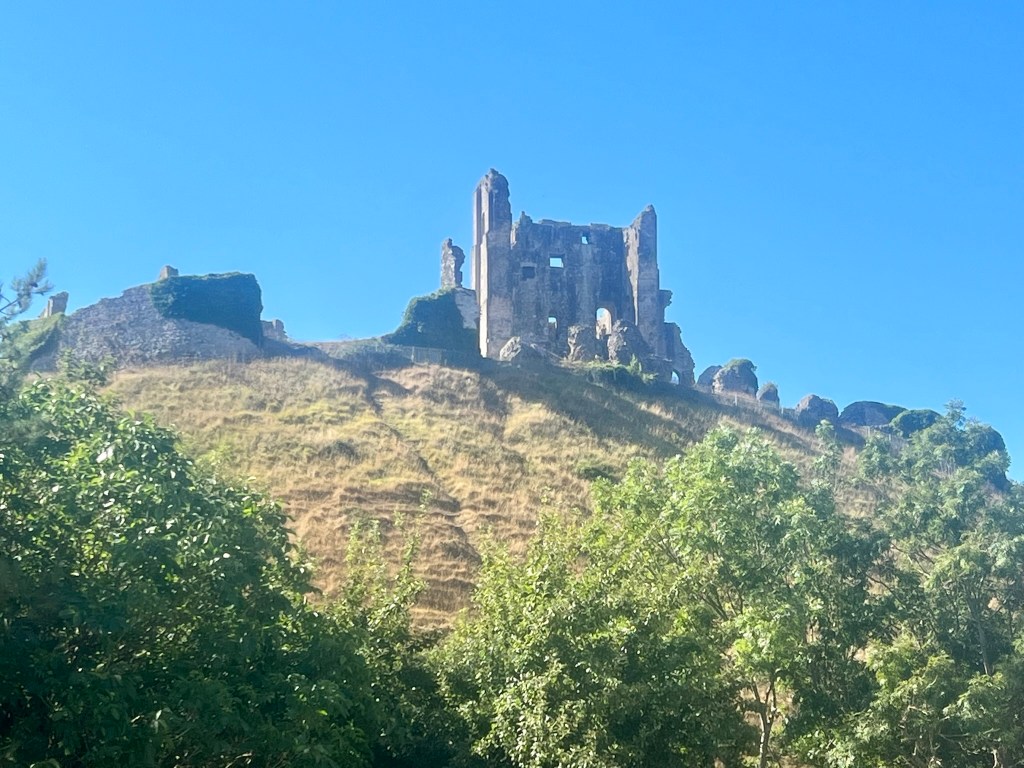
Castle Corfe on top of hill in Purbeck

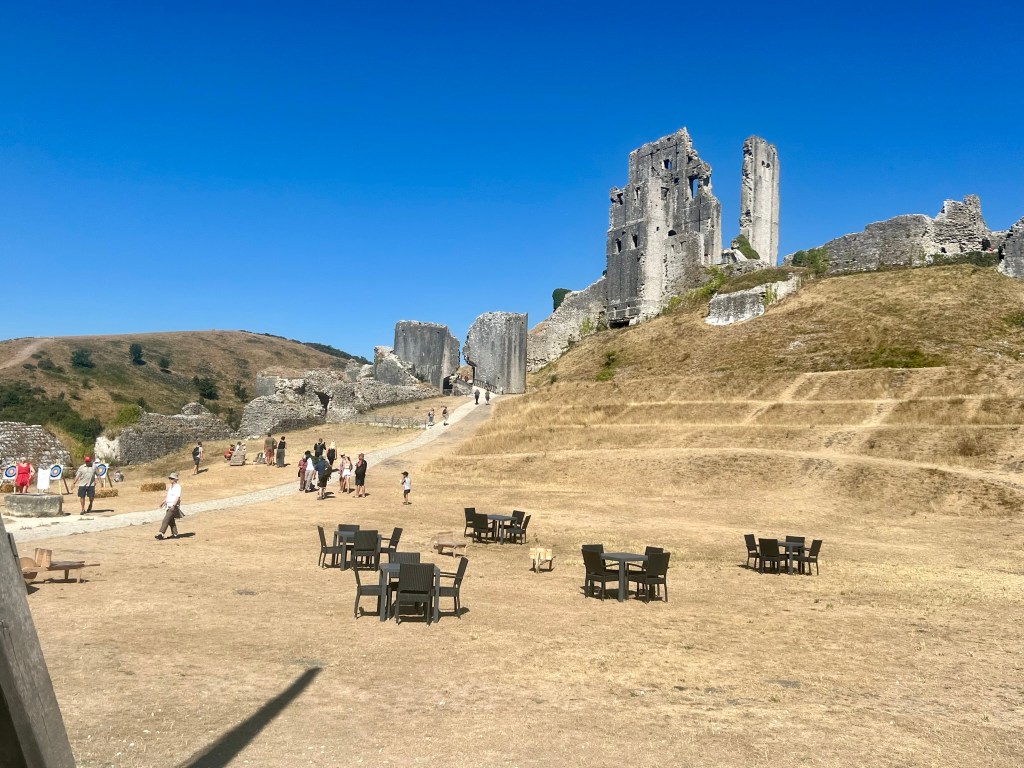
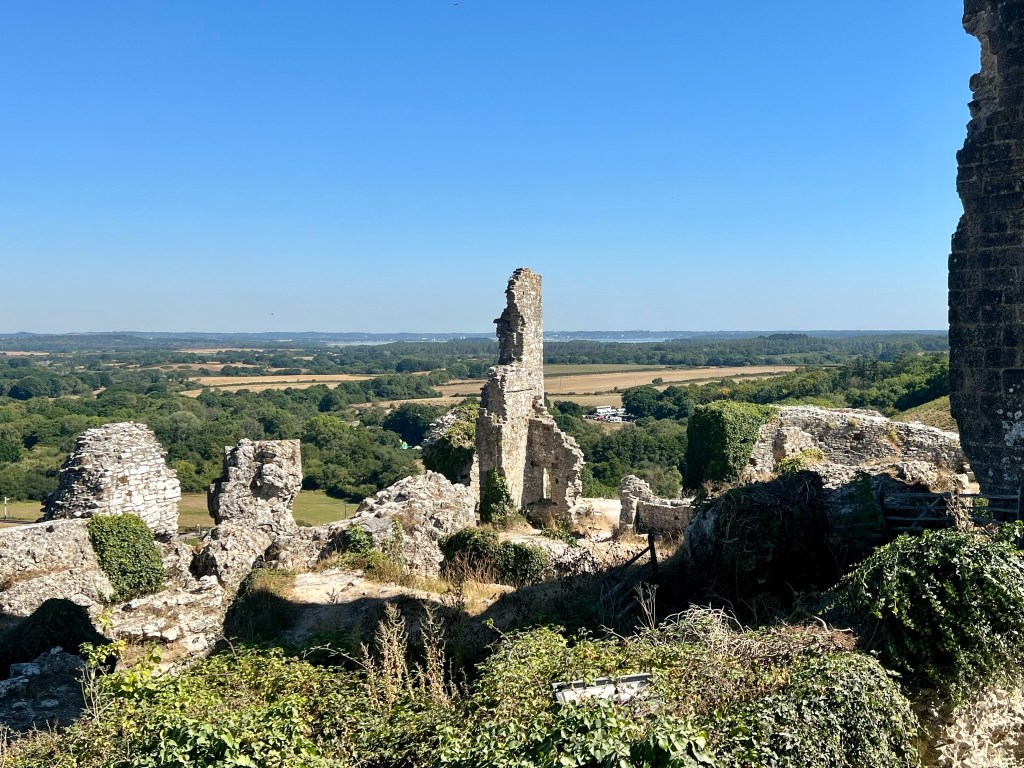
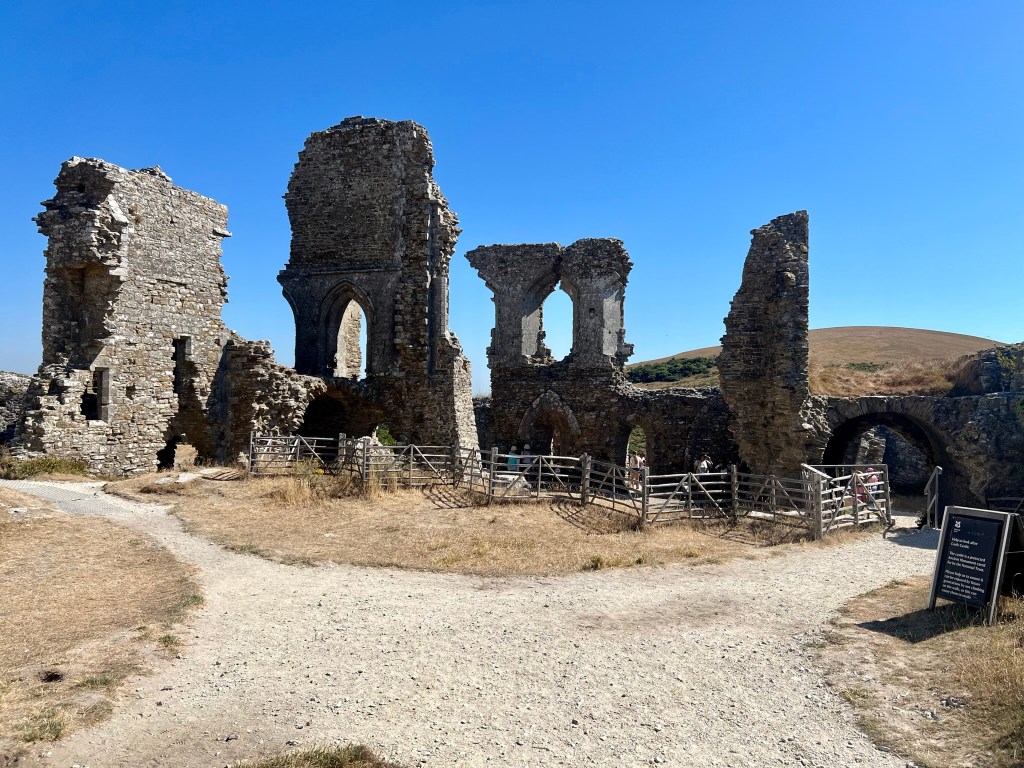
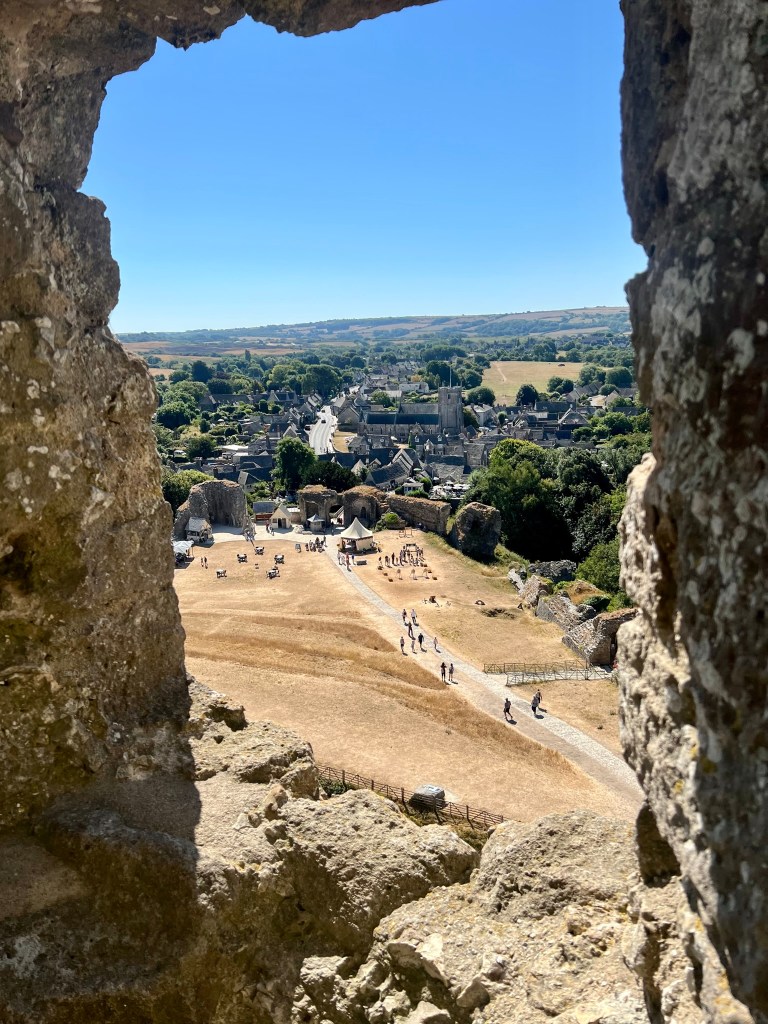
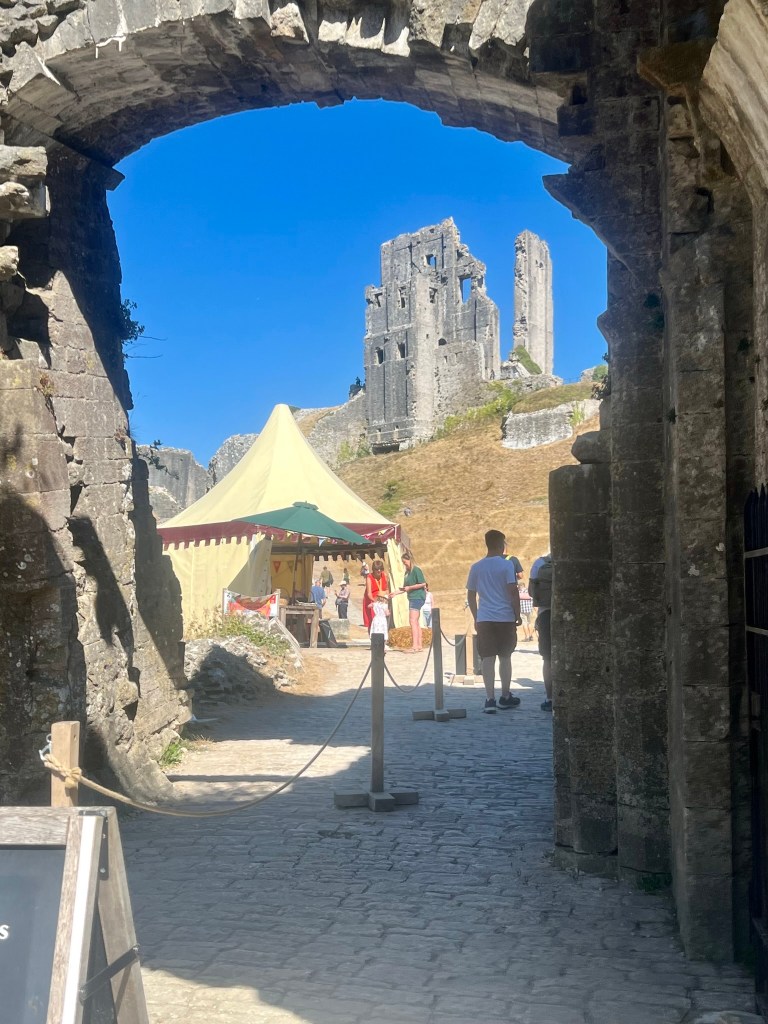
Corfe Castle can be seen from its prominent position up on the hill in Purbeck. We walked there from the National Trust car park along a wildlife trail through the woods and over the Corfe river. Here you can find a play trail made of natural materials. Boasting an impressive age of more than 1000 years, the castle walls would have some tales to tell, if they could.

The history of Corfe Castle can be found on the National Trust website, along with some lovely photos. We spent a very pleasant couple of hours exploring the castle remains and its grounds and soaking up the atmosphere. The castle is essentially ruins, so there is no shelter within. It was very hot on the day we visited and there was a covered seating area on the outer bailer below the castle, where we were able to take shelter from the hear. There were a variety of activities on offer within the grounds, including archery and giant jenga. Immediately outside the castle area are several places to eat offering sustenance. This is very welcome after exploring the castle. While in the area we also visited another National Trust Property (yes, we have now become Members :)) called Kingston Lacey.

STUDLAND BAY- SWANAGE

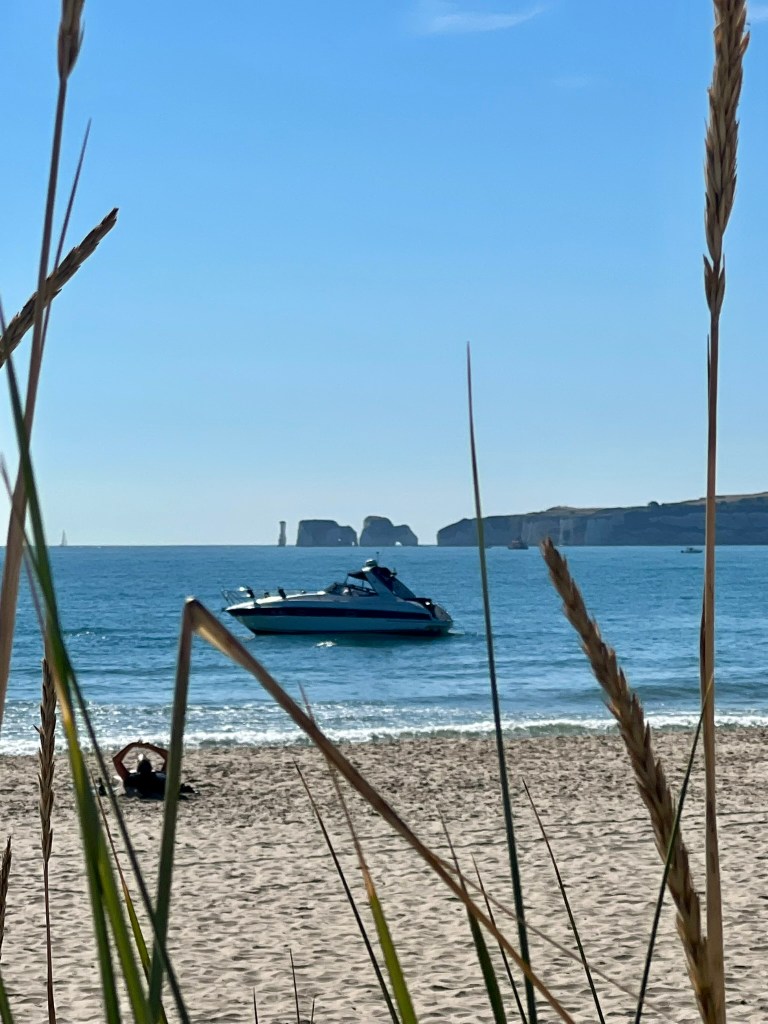
View of boat in water at Studland Bay

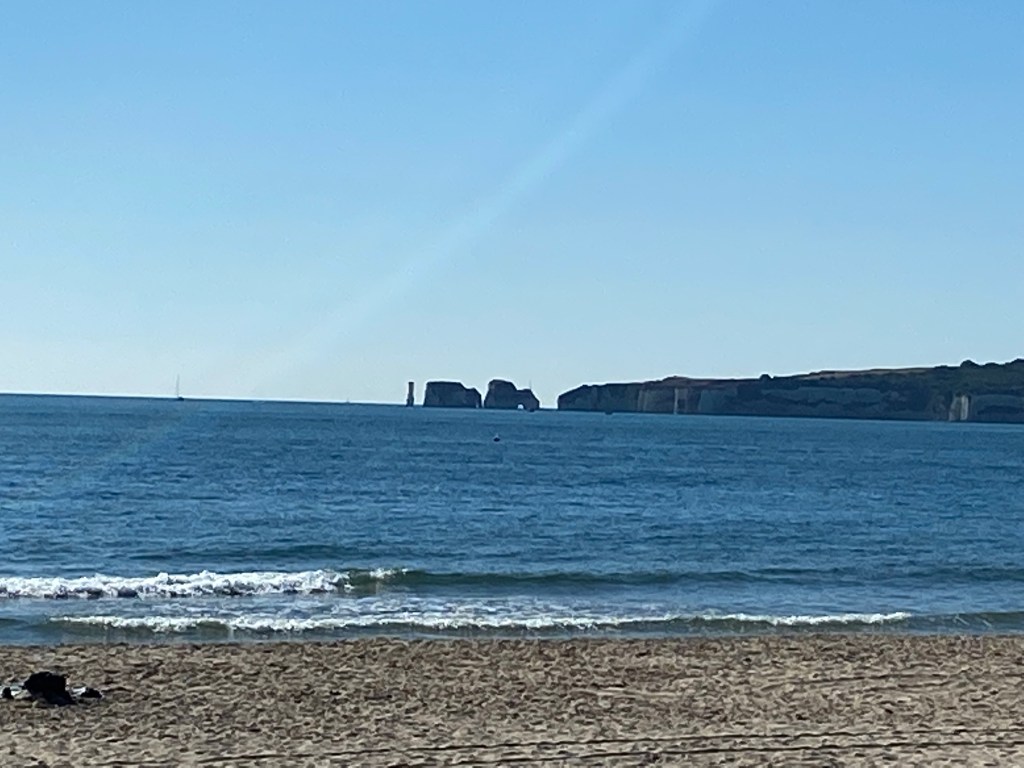
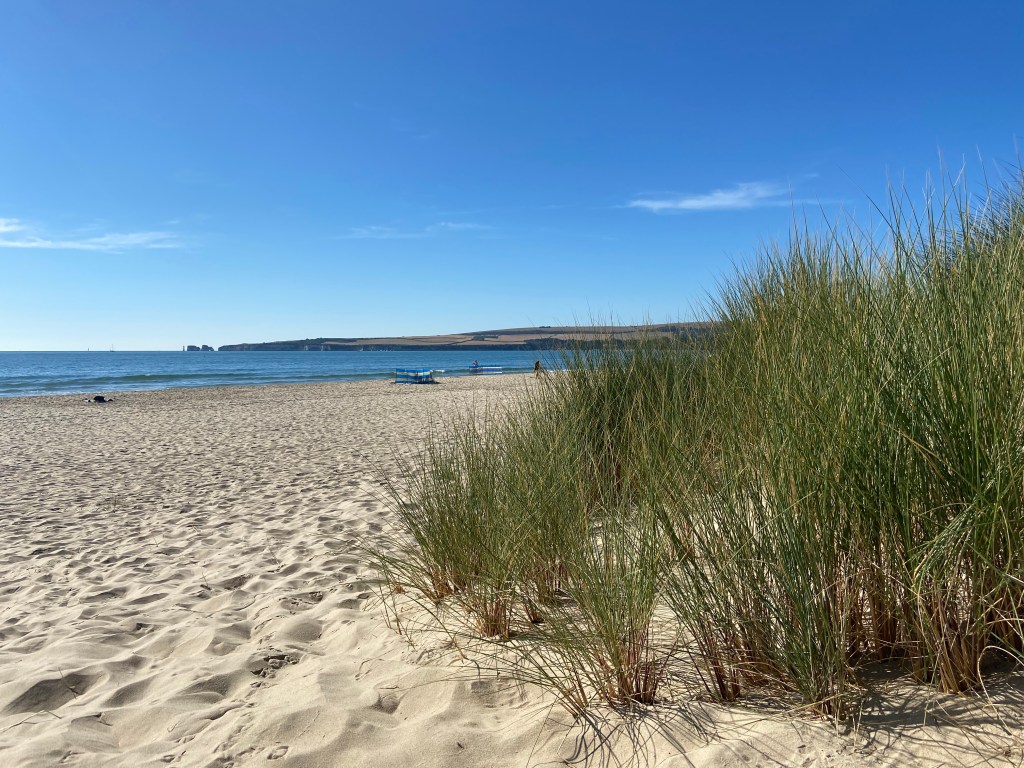
Studland Bay at Swanage is a 4 mile long stretch of beautiful sand encompassing Knoll beach, Shell Beach, South beach and Middle Beach. We accessed the bay via a couple of different points on different days, but for us, by far the easiest was via the National Trust Car Park which is close to the chain ferry point (taking visitors to Poole and Bournemouth). From the car park it’s a 5 minute walk down a sandy path to the beach. The other option that we tried was to park on the road, and then walk down a much longer path to the beach. This would be fine for the physically fit on a balmy day, but the day we chose to make the trip was really hot, and it was quite a slog. However, whichever way you arrive at Studland Beach, it really is worth the effort. Calm waters, soft sand and secluded and more shaded areas in the vegetation area immediately behind the sand make this a popular choice for all. There is a naturist section at Knoll Beach which is clearly signed.

The Bankes family, former residents of Corfe Castel and Kingston Lacey, often visited Studland Bay, where they had a home. This is now the Pig on the Beech Hotel. When Ralph Bankes died in 1981, he bequeathed the Bankes estate, which includes Studland, Kingston Lacey and Corfe Castle to the National Trust – for future generations to enjoy.